Each region of Morocco produces a distinct visual language shaped by its climate, communities, and material culture. Understanding where a rug comes from is the starting point for understanding what it means.
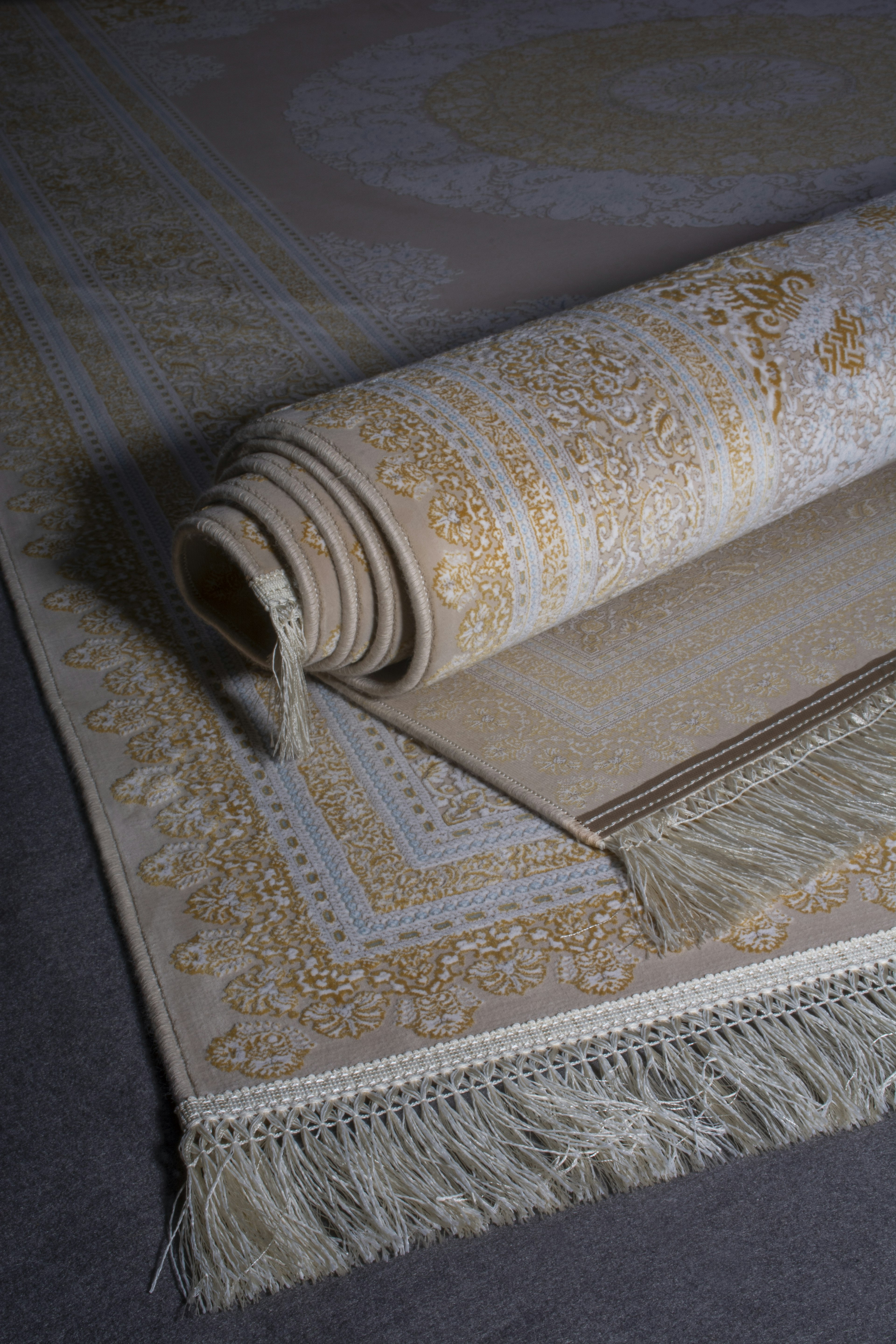
The High Atlas mountains span central Morocco. The altitude, isolation, and seasonal extremes shaped a visual language that is geometric, precise, and spare.

The agricultural plain surrounding Marrakech. Proximity to the city brought new materials and influences without fully dissolving the local visual grammar.
The arid, mineral-toned Anti-Atlas range running southwest toward the Sahara. Minimal palette, structural compositions, economy of means.

Beni Ourain country. The source of the ivory pile-knotted rugs that became one of the most recognised Moroccan textile types in the twentieth century. The reality of the tradition is considerably more varied than its global reputation.
The pre-Saharan and Saharan south. Textiles shaped by nomadic life, trans-Saharan trade routes, and the visual cultures of communities who moved through the desert margins.