The marks were not decorative. A lozenge placed in the border of a domestic textile was a protective act. The broken comb was deliberate incompleteness, because perfection invites envy, and the women who wove these objects understood that envy has weight.
Readings are grounded in scholarship. Contested meanings are noted.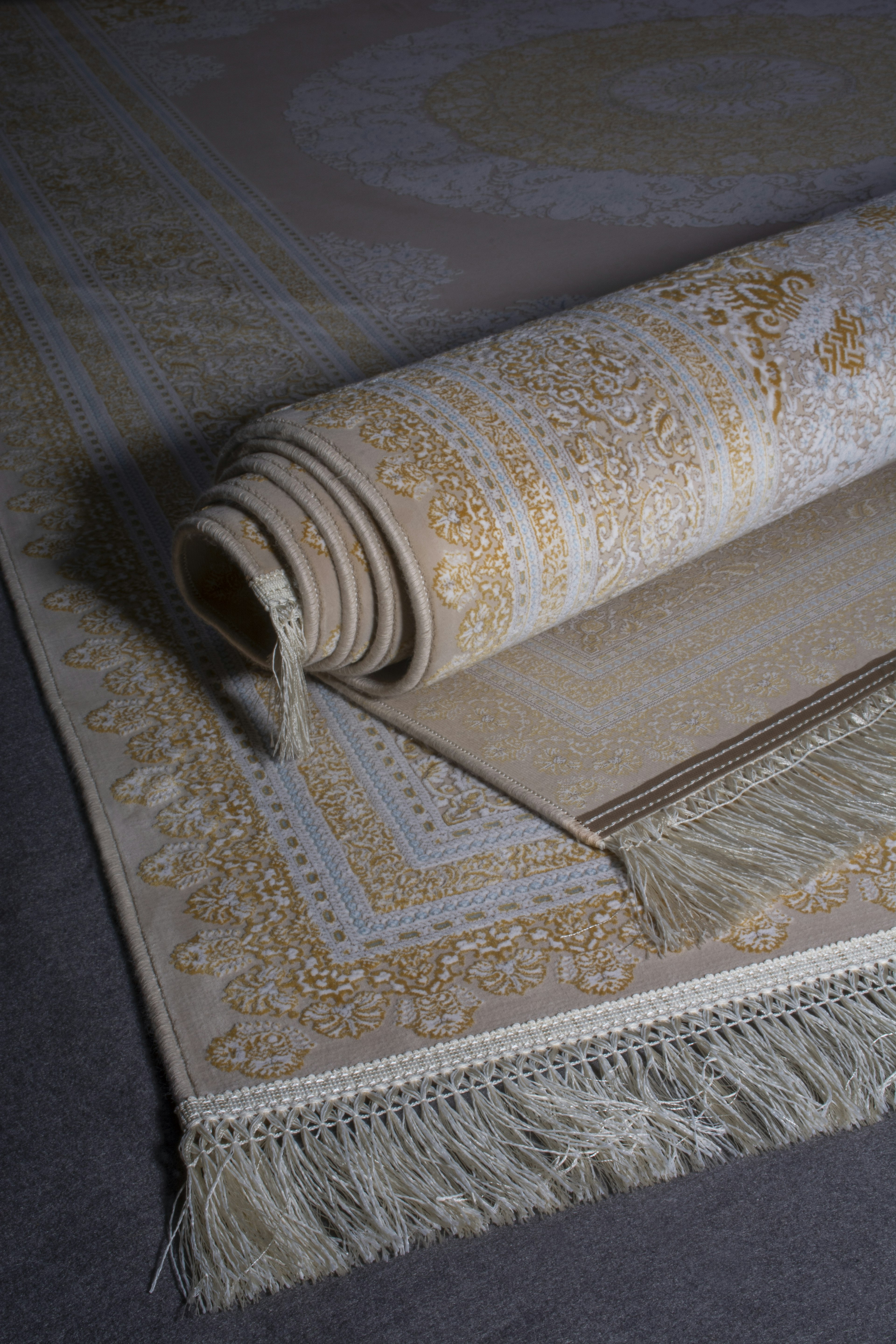
A diamond form that carries layered meanings across weaving, jewellery, tattoo, and architecture throughout North Africa. The foundational unit of Amazigh visual culture.

A comb or rake form deliberately interrupted. One of the clearest expressions of the Amazigh principle that incompleteness protects.

A cross form built from steps rather than curves. Among the oldest continuous motifs in North African material culture.
An allover field of diamond forms touching at every corner. No ground. The entire surface activated.
A composition organised by horizontal bands of colour. The natural unit of weft-faced flatweave. In its most accomplished forms, restraint becomes the content.
A concentric oval or pointed ellipse. One of the most direct expressions of the protective gaze in Amazigh textile symbolism.
The deliberate introduction of imbalance into an otherwise regular composition. The most misunderstood formal decision in Amazigh weaving.
The framing element at the edge of a woven composition. Not decorative in origin. It defines the boundary between the domestic interior and what lies outside it.