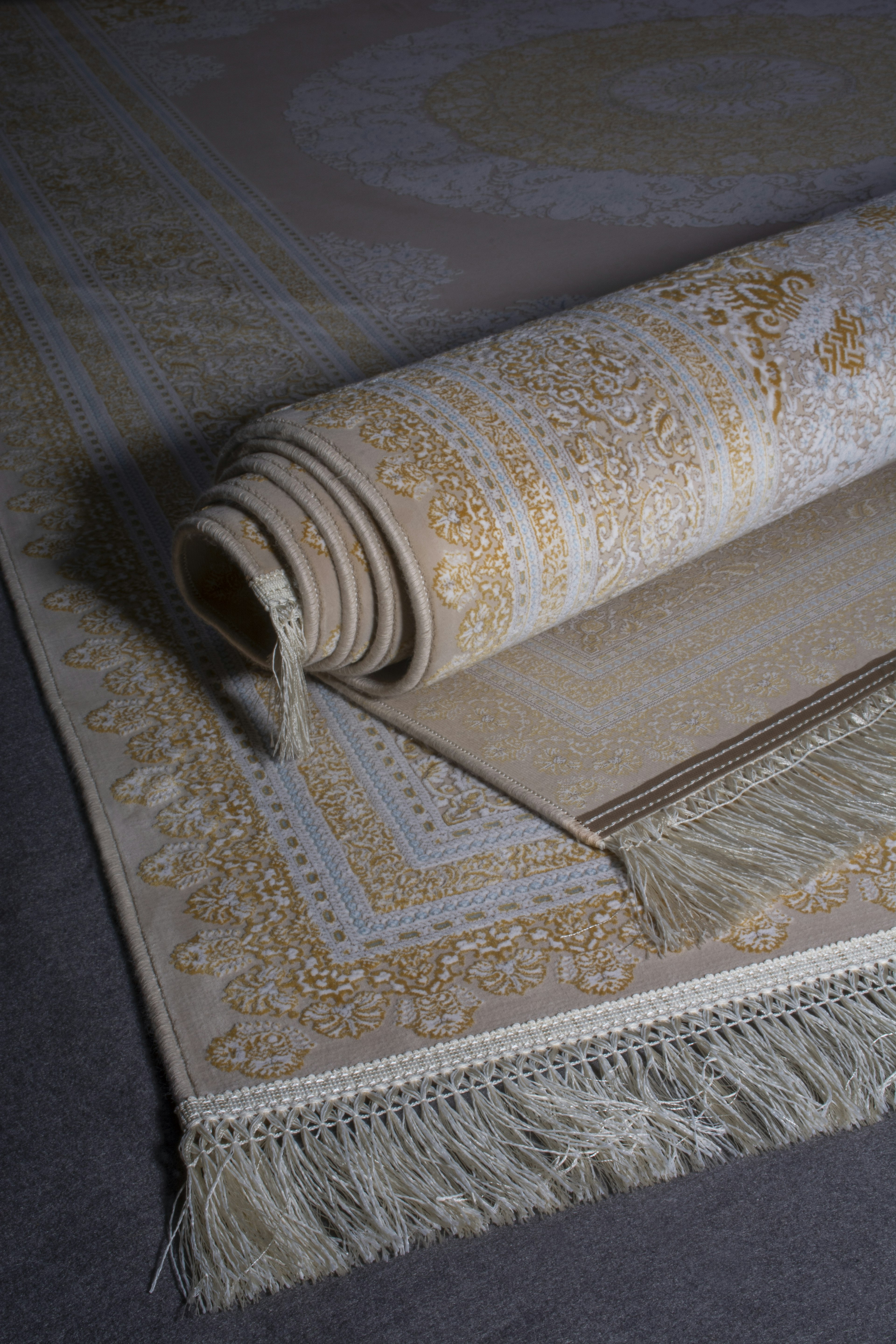
Protective Motif
A mark placed in a textile to guard against harm. Placed with intention. Working.
Across Amazigh weaving traditions, certain motifs appear in contexts that suggest a protective or apotropaic function: woven into the borders of domestic textiles, concentrated in areas of high symbolic importance, or used in specific ceremonial objects. The lozenge, the eye form, the broken comb, and the hand are among the most commonly cited protective motifs.
The interpretation of these motifs as protective is based on oral testimony from weavers, comparative material culture studies, and the contexts in which specific motifs appear within compositions. However, this interpretation is not universal or certain: some scholars caution against over-systematising a symbolic vocabulary that was highly local, variable, and transmitted through oral rather than written tradition. What a specific lozenge form "meant" to a weaver in the Ait Benhaddou valley in 1965 may have differed from what the same form meant to a weaver in Tafilalt at the same time.
The Tilwen approach: we describe what is known, acknowledge what is uncertain, and do not present contested attributions as fact.