Natural Dye
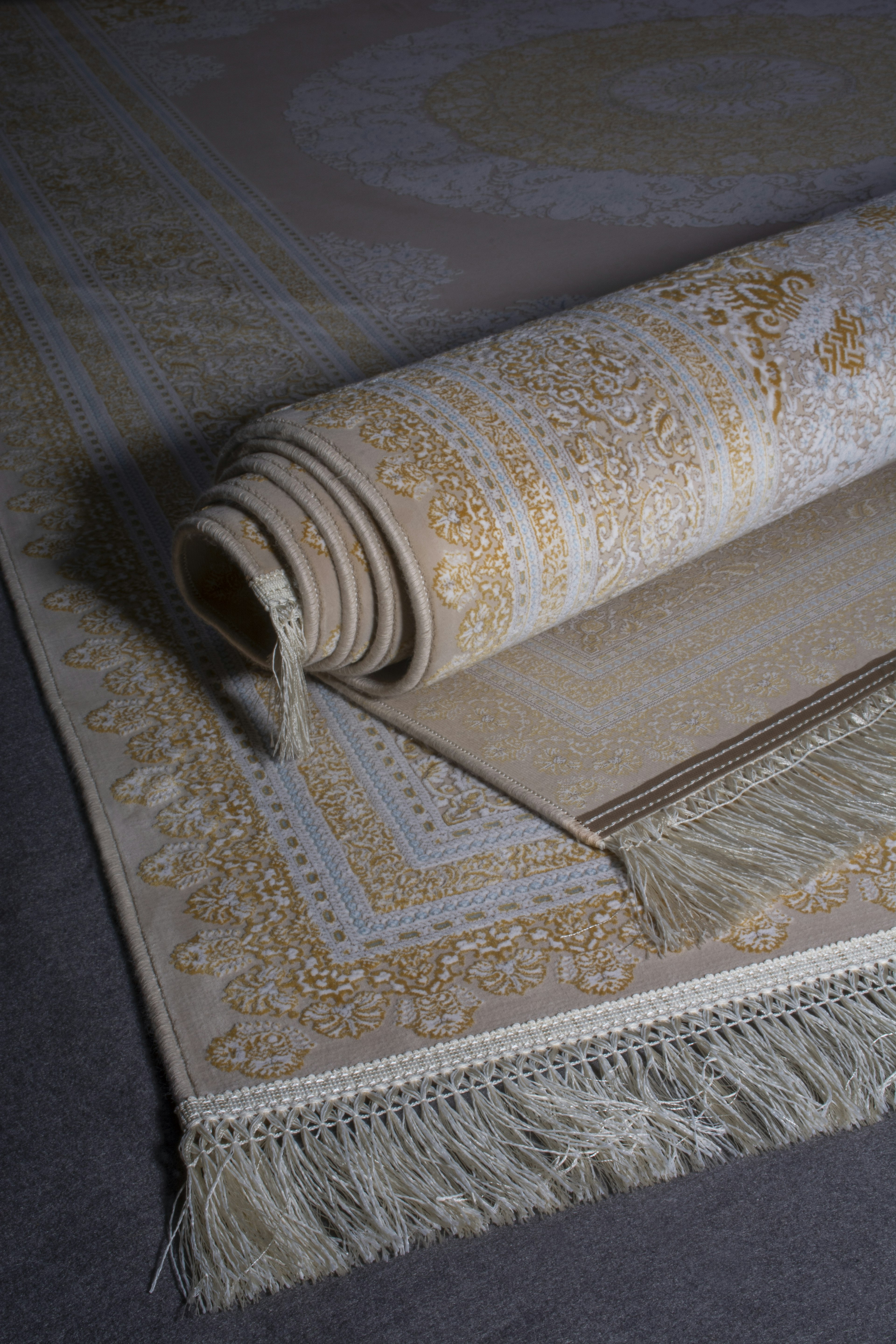
Colour derived from plants, minerals, or insects. These dyes age toward depth. Synthetic dyes fade.
Natural dyes have been used in Moroccan and Amazigh weaving for centuries. Primary sources in the Moroccan tradition: saffron (warm yellows and ochres), henna (warm reds and terracottas), walnut husk (rich warm browns), pomegranate rind (yellows and tans), madder root (reds and oranges), and indigo (blues, a traded import connecting Morocco to West African and Indian production routes).
Natural dyes age differently from synthetic dyes, they mellow rather than fade uniformly. An old saffron yellow may deepen to amber; an old indigo may develop a slight metallic sheen. The ageing is selective and organic, producing colour surfaces that cannot be replicated by any intentional dye programme.
Mordanting, using mineral salts to fix the dye to the fibre, was and is a critical part of natural dye practice. The mordant used affects both the colour produced and its lightfastness, which is one reason "saffron yellow" looks different on a High Atlas piece than on a Haouz plain piece.