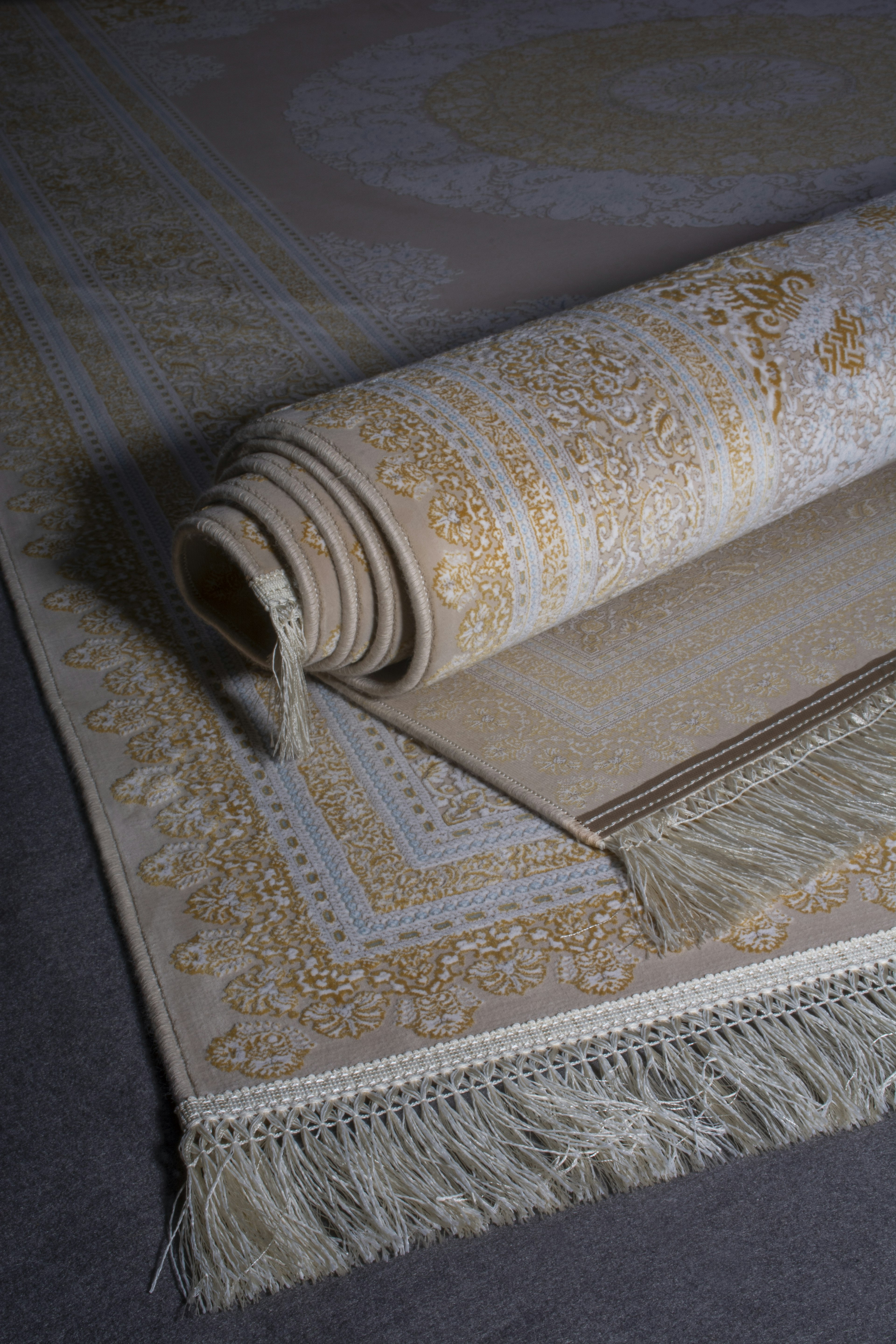
Kilim
A flatweave with no pile. The weft threads carry the pattern and the structure at the same time. What you see is what the weaver decided, row by row.
A kilim is a weft-faced flatweave: coloured weft threads pass over and under the warp threads in a way that completely covers the warp and creates the pattern. There is no pile, no knotting, and no clipping. The finished textile is flat, reversible, and structurally the same on both faces.
The word is Turkish in origin, kilim (کیلیم), and widely used across the commercial rug world. In Morocco, the flatweave tradition is ancient, predating Ottoman influence by centuries. Moroccan kilims are made across the High Atlas, Anti-Atlas, and Saharan regions, each with a distinct compositional vocabulary.
Within the kilim category there are structural variants: slit-weave kilims (where colour boundaries create literal slits in the textile), dove-tailed kilims (where adjacent colour areas share warp threads), and kilims with supplementary weft elements that add texture or pattern above the ground weave.